
How to Prepare Your Startup for Technical Due Diligence (and Actually Pass It)
How to Prepare Your Startup for Technical Due Diligence (and Actually Pass It)
Technical due diligence is a structured, independent assessment of your startup's technology - the codebase, architecture, infrastructure, security posture, team capability, and technical debt. It determines whether your tech can support the growth your pitch deck promises. Nearly half of all startup deals collapse during due diligence, and the technical review is often where the fatal cracks show up.
I've done technical due diligence on both sides of the table - as a fractional CTO preparing startups for fundraising, and as the person investors bring in to rip a codebase apart. The difference between a startup that sails through and one that gets flagged is almost never about having "perfect" code. It's about preparation, documentation, and not hiding things that any competent reviewer will find in the first hour anyway.
So.. here's the actual playbook. Not the generic "make sure your code is clean" advice you'll find on every VC blog, but the specific, practical steps I walk every founder through before they enter a due diligence process.
Why Tech DD Matters More Than Ever in 2026
According to recent industry data, 70% of private investors now require technical due diligence from digital startups before committing capital. That number was closer to 40% five years ago. The shift is driven by two things: the explosion of AI-generated codebases that look impressive in demos but fall apart under scrutiny, and the Harvard Business Review finding that 70-90% of acquisitions fail, with technology integration issues accounting for roughly 30% of those failures according to Deloitte.
If you're raising a seed round, Series A, or preparing for acquisition, someone WILL look at your code. The question is whether you'll be ready when they do.
What Investors Actually Examine in Tech DD
Before diving into preparation, you need to understand what's being assessed. I've run dozens of these reviews, and they all cover the same core areas - though the depth varies based on deal size and stage.
| Area | What They Check | What Kills Deals |
|---|---|---|
| Architecture & Scalability | System design, database schema, API structure, deployment pipeline | Monolithic architecture that can't scale without a full rewrite |
| Code Quality | Test coverage, linting, code review practices, technical debt levels | Zero test coverage, single files with 3,000+ lines of business logic |
| Security & Compliance | Authentication, encryption, GDPR compliance, penetration test history | Hard-coded credentials, no encryption at rest, no security audit trail |
| Infrastructure | Hosting, CI/CD, monitoring, disaster recovery, uptime history | Manual deployments, no monitoring, single point of failure |
| Team & Process | Team structure, SDLC practices, documentation, knowledge distribution | Single developer with all context, no documentation, no code reviews |
| IP & Licensing | Code ownership, open-source compliance, contractor IP assignments | Missing IP assignment agreements from freelancers or ex-cofounders |
| AI & Data (2026-specific) | AI model documentation, training data provenance, bias mitigation | Black-box AI with no documentation, vibe-coded features with no oversight |
That last row is new. In 2026, if your product uses AI - and most now do - investors expect documentation on model architecture, training data sources, validation processes, and ethical considerations. "We used ChatGPT" is not a satisfactory answer.
The 12-Step Preparation Playbook
1. Audit Your Own Code First
Before anyone external looks at your codebase, run the same checks they will. Use CodeScene or SonarQube for automated code analysis. Look for complexity hotspots, duplication, and files that change too frequently (a sign of poorly isolated logic). I use CodeScene specifically because it shows code health trends over time - investors love seeing an improving trajectory, even if the absolute numbers aren't perfect yet.
2. Kill the Hard-Coded Secrets
Run git log --all -p | grep -i "password|secret|api_key|token" on your repo. If anything comes back, you have a problem. Secrets in git history don't disappear when you remove them from the current branch - they're in the history forever unless you rewrite it. Move everything to environment variables or a secrets manager (AWS Secrets Manager, HashiCorp Vault, or even Doppler for smaller teams). Do this BEFORE the review, not during.
3. Get Test Coverage Above the Red Line
You don't need 90% coverage. You need meaningful coverage on critical paths. Payment processing, authentication flows, core business logic, data transformations - these MUST have tests. I tell founders: aim for 60-70% coverage on the overall codebase, but 90%+ on anything that touches money, user data, or your core value proposition. Reviewers will spot the difference between real tests and tests written the week before DD to inflate the number.
4. Document Your Architecture
You need three documents minimum: a high-level architecture diagram (C4 model works brilliantly for this), an API documentation set (Swagger/OpenAPI if you're running APIs), and a data flow diagram showing how user data moves through your system. This last one is critical for GDPR compliance and is the first thing any European investor will ask for. If you don't have these, expect a flag.
5. Clean Up Your IP Chain
This is the one that catches founders off guard. Every person who has ever written code for your company - employees, contractors, freelancers, that friend who helped out for equity, the agency that built your MVP - needs to have signed an IP assignment agreement. According to VC Wire, this is one of the top five things founders forget to tell investors until DD reveals it. If someone built a core piece of your product and there's no signed agreement, you technically don't own that code. Sort this out now.
6. Prepare Your Virtual Data Room
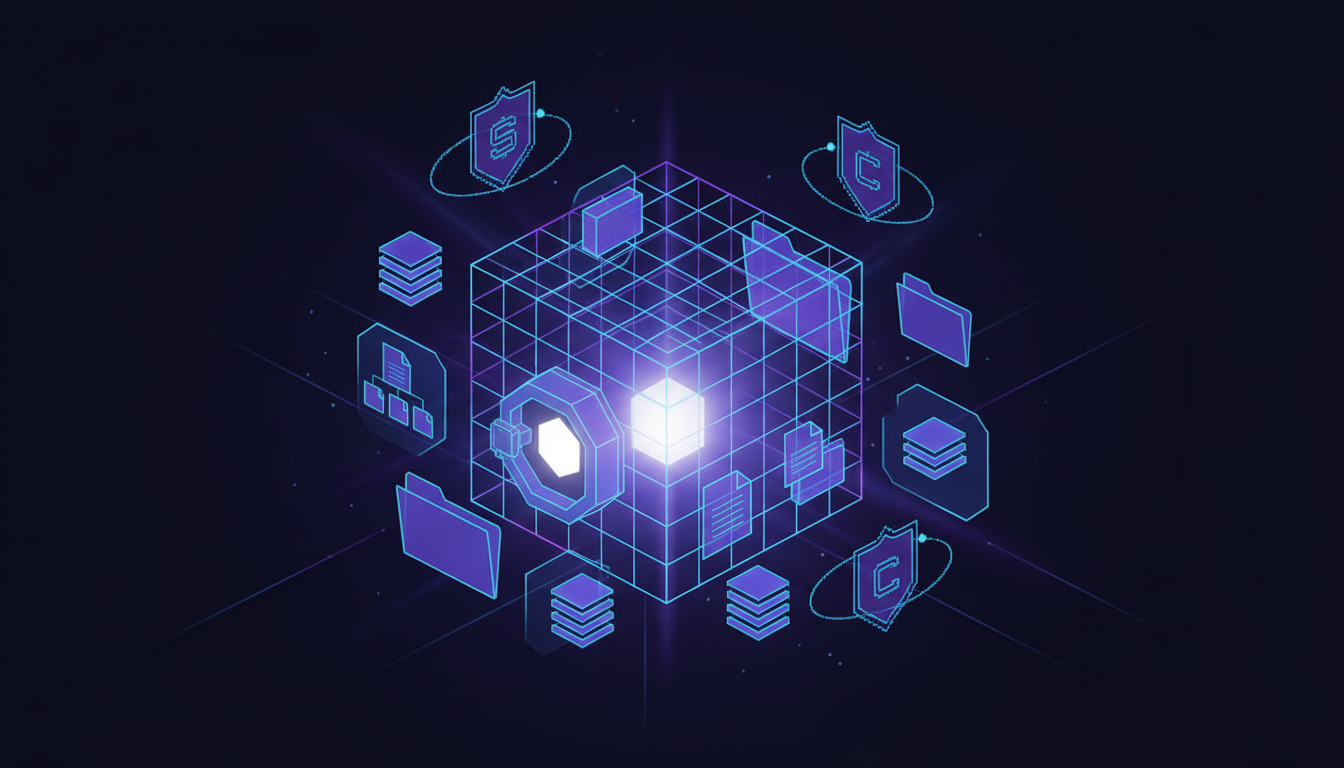
A well-structured virtual data room (VDR) reduces adviser time and cost by 25-35% by avoiding redundant work and clarifying scope upfront. Use Notion, Google Drive with proper permissions, or a purpose-built VDR like Dealroom or DocSend. Organise it by category: architecture docs, security policies, team structure, financial models, legal agreements, and a README that explains the layout. The easier you make it to review, the faster and cheaper the process - and the better impression you make.
7. Run a Security Audit (or at Least a Pentest)
A West Monroe Partners survey found that 39% of executives were concerned about inadequate time spent on cybersecurity during M&A due diligence. If you show up with a recent penetration test report and a remediation plan, you're already ahead of most startups. Tools like Snyk for dependency scanning, OWASP ZAP for web app testing, and Burp Suite for deeper testing are the standard toolkit. At minimum, run Snyk on your dependencies and fix any critical vulnerabilities before DD starts.
8. Fix Your Deployment Pipeline
If your deployment process is "SSH into the server and pull the latest code," that's a red flag. You need a CI/CD pipeline - GitHub Actions, GitLab CI, CircleCI, whatever. Automated tests running on every PR. Automated deployments to staging. A clear promotion path to production. Rollback capability. This isn't about having the fanciest tooling - it's about demonstrating that your engineering team operates with professional discipline.
9. Address Technical Debt Honestly
Every codebase has technical debt. Reviewers know this. What they're looking for isn't a perfect codebase - it's a team that KNOWS where the debt is and has a plan to address it. Create a technical debt register: a simple document listing known issues, their severity, their impact, and your plan for resolving them. I've seen startups pass DD with significant technical debt because they were transparent and had a credible remediation timeline.
10. Document Your AI Usage (2026 Must-Do)
This is the new battleground. If your team uses Cursor, Claude Code, Copilot, or any AI coding tools, document HOW you use them. What's the review process for AI-generated code? Do you have guidelines on what AI can and cannot touch (auth, payments, and data handling should always have human oversight)? If you've built AI features into your product, document the model architecture, training data sources, and validation methodology. Cleveroad's 2026 DD checklist now lists AI documentation as a critical component.
11. Prepare Your Team for Interviews
Tech DD isn't just a code review. Reviewers will talk to your engineering team. They'll ask about development practices, decision-making processes, and how problems get solved. Brief your team on what to expect. The biggest mistake I see: founders who try to coach their team on "correct" answers. Don't. A good reviewer will spot rehearsed responses instantly. Instead, make sure your team understands the architecture well enough to explain their own decisions. If one developer built a critical system and can't explain why they chose PostgreSQL over MongoDB for that specific use case, that's a flag.
12. Do a Dry Run
This is where most founders skip and where the money is. Hire someone external to do a mock technical due diligence before the real one. At Metamindz, this is one of the most common things founders come to us for - a fractional CTO who runs the same process an investor's technical reviewer would run, but on YOUR side, with time to fix what they find. The cost of a dry run is a fraction of the cost of a failed fundraise.
The CTO-Led Approach vs Going In Blind
| Aspect | Typical Startup Approach | CTO-Led Preparation (Metamindz) |
|---|---|---|
| Code review | Hope the codebase passes, fix issues reactively | Pre-emptive audit using the same tools and checklists investors use |
| Documentation | Scramble to write docs the week before | Architecture docs, API specs, and data flow diagrams built properly |
| Security | Run a quick scan, hope nothing critical shows up | Full pentest, dependency audit, remediation plan with timeline |
| AI documentation | "We use AI tools" (no specifics) | AI usage policies, model docs, human oversight protocols documented |
| Team preparation | Coach team on "right answers" | Ensure team genuinely understands their own architecture decisions |
| IP chain | Discover missing agreements during DD | Full IP audit completed before DD begins |
| Data room | Shared Google Drive folder with random files | Structured VDR with clear categories, README, and reviewer guide |
| Cost of DD | $25k-$75k (extended due to poor preparation) | Lower end of range (structured data room cuts adviser time by 25-35%) |
Timeline: When to Start Preparing
The biggest mistake I see is founders starting DD preparation the week they get a term sheet. By then, you're already behind. Here's the realistic timeline:
6 months before fundraising: Start the code cleanup, IP audit, and documentation. These take longer than you think, especially if your team is also shipping features.
3 months before: Run your self-audit with CodeScene or SonarQube. Fix critical issues. Get a pentest done. Set up your VDR.
1 month before: Do the dry run. Bring in an external CTO to review everything with fresh eyes. Fix what they find.
During DD: Be responsive. Answer questions quickly. Don't hide things. The reviewer will find them anyway, and trying to hide issues destroys trust faster than the issues themselves.
What DD Costs and Who Pays
According to Peony's 2026 cost breakdown, due diligence typically costs 0.2-4% of deal value. For a seed round, that's $25k-$75k. For a Series A or acquisition, $50k-$200k+. The investor usually pays for THEIR due diligence, but YOU pay for preparation. A fractional CTO engagement for DD preparation typically runs 20-40 hours over 2-3 months - a fraction of the cost of failing the review and losing the deal entirely.
Frequently Asked Questions
How long does technical due diligence take?
A typical tech DD process takes 2-4 weeks for a seed-stage startup and 4-8 weeks for a Series A or acquisition target. The timeline depends heavily on how prepared you are - a well-organised data room with clear documentation can cut the process by 25-35%, while a disorganised codebase with missing docs can double it.
What's the most common reason startups fail technical due diligence?
Missing IP assignment agreements and undocumented architecture are the two most frequent deal-breakers I see. Security vulnerabilities come third. The irony is these are all fixable with 2-3 months of preparation. The startups that fail DD usually fail because they didn't prepare, not because their technology is fundamentally broken.
Do I need a fractional CTO to prepare for tech DD?
Not necessarily, but it helps significantly. If you have a strong technical co-founder or CTO who has been through DD before, they can lead the preparation. If you're a non-technical founder or your CTO hasn't experienced a formal DD process, bringing in an experienced fractional CTO for a focused engagement is the most cost-effective way to prepare.
How is technical due diligence different for AI-native startups in 2026?
AI-native startups face additional scrutiny on model documentation, training data provenance, bias mitigation strategies, and AI ethics policies. Investors now expect documentation on how AI models were trained, what data was used, how performance is validated, and what human oversight exists. If you've used AI coding tools to build your product, document your usage policies and quality control processes.
Can I prepare for tech DD on a bootstrap budget?
Yes. Run CodeScene's free tier or SonarQube Community Edition for code analysis. Use Snyk's free tier for dependency scanning. Document your architecture using free tools like draw.io and Notion. The most expensive part - a penetration test - can be done for £2,000-£5,000 through firms like Pentest People or Intruder. A structured approach to preparation matters more than budget.